A Russian manicure is a dry technique: no soaking, and the cuticle area is refined with fine e-file bits and, where needed, precision manual tools. It is precise work, and precision is exactly why it deserves a few honest questions before you book. No manicure technique is risk-free — the result depends on the condition of your nails and skin, on the training of the person holding the e-file, and on how the two of you communicate during the appointment. This guide explains how the technique works, what to ask before you book, what to expect afterwards, and when to stop and seek advice.
What makes a Russian manicure different
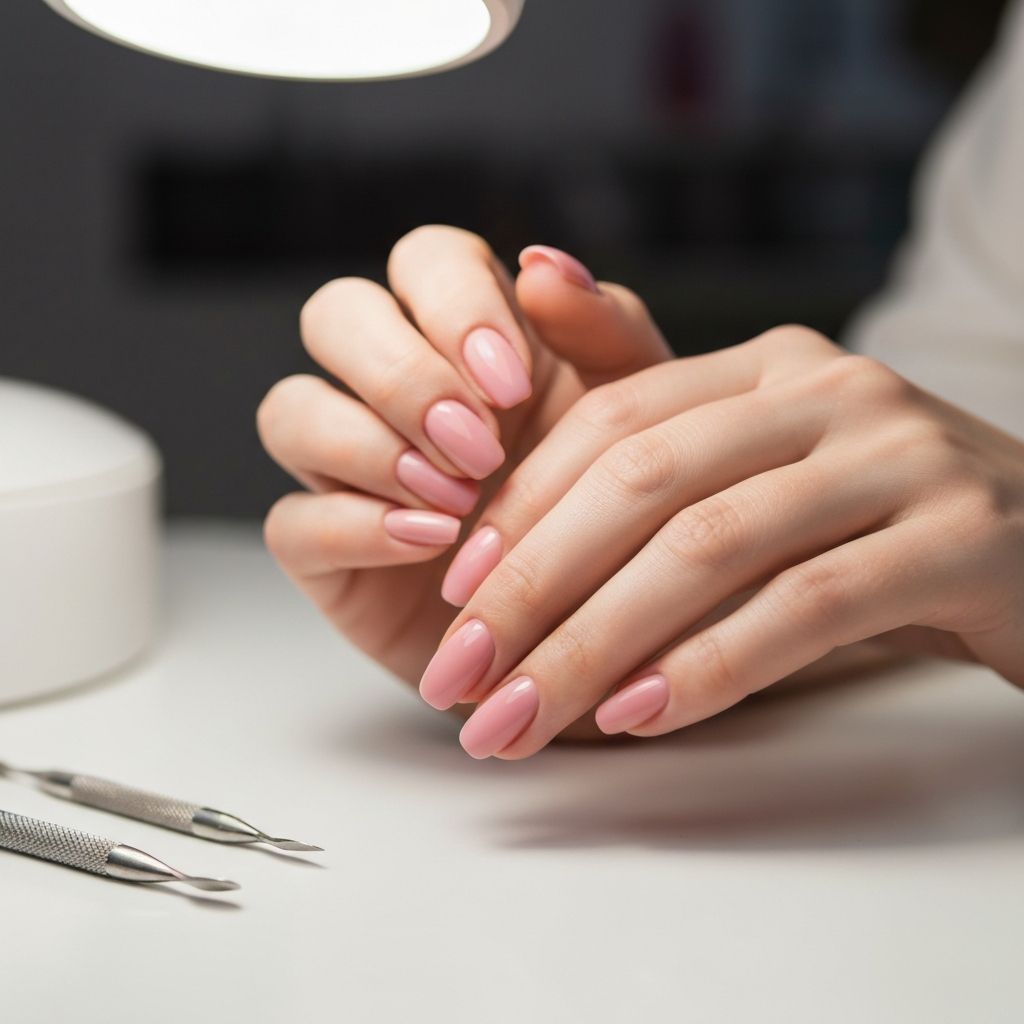
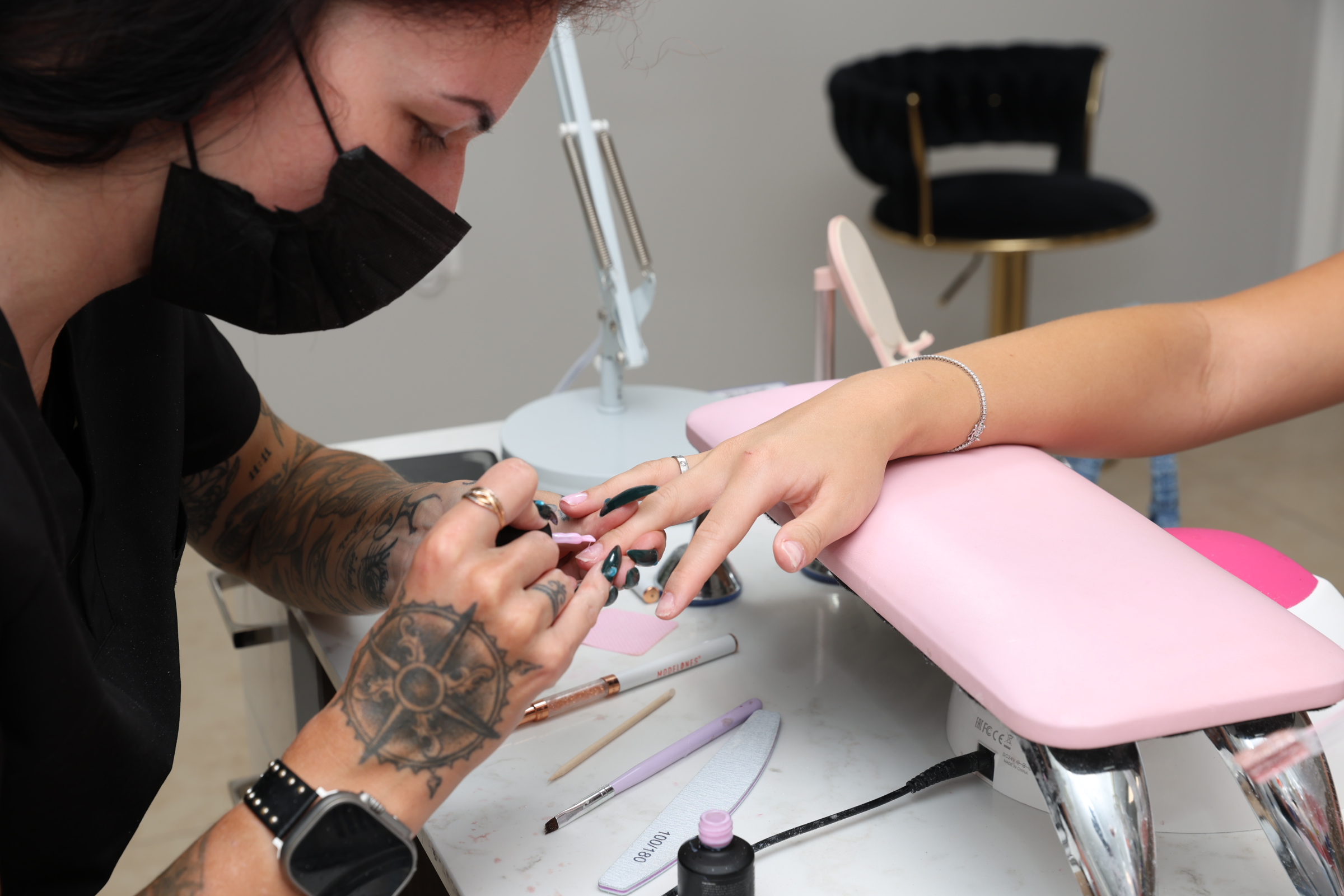
A classic manicure soaks the skin and cuts the softened cuticle with nippers. A Russian (dry) manicure skips water: the technician lifts and cleans the cuticle area with fine e-file bits and precision tools, aiming to remove only the dead, translucent layer of skin while working close to living skin. Because nothing is soaked and swollen, the technician sees what they are working on, and the regrowth line usually stays neat for longer.
That precision cuts both ways. An e-file in a trained hand can be controlled and gentle; the same tool with too much speed, too much pressure or the wrong bit can cause heat, cuts or thinning. The technique itself is not a guarantee — the technician's judgement, and you speaking up during the appointment, matter more than the tool.
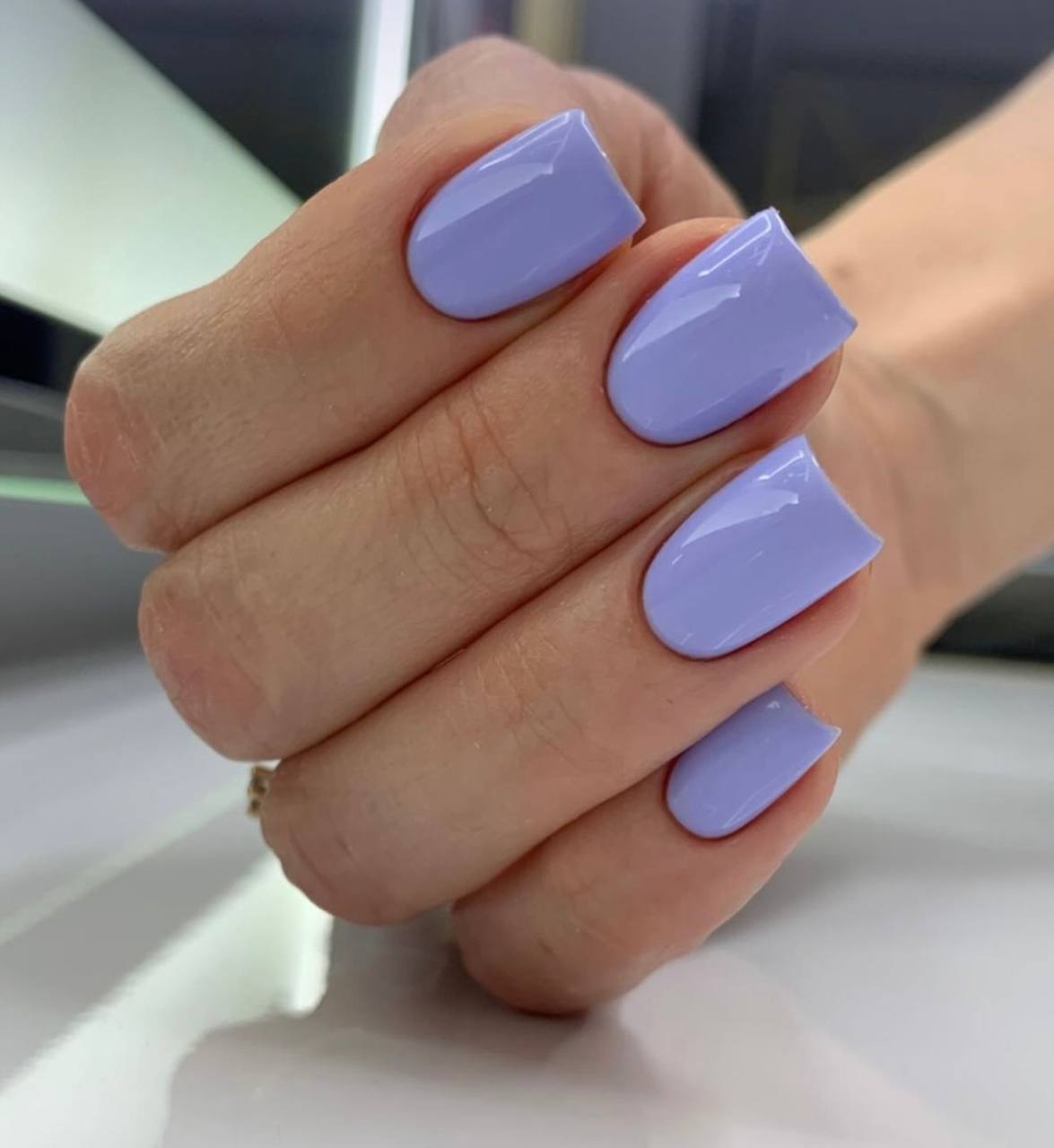
Questions to ask before you book
You do not need to be a nail expert to book well. Ask these, and listen for clear answers:
- How are the instruments cleaned and sterilized? Ask how metal tools and reusable bits are cleaned and sterilized between clients, and whether they are opened from a sealed pouch in front of you. A clear, specific answer is a good sign; a vague one is a reason to keep looking.
- Do you look at my nails and skin first? Thin, peeling or damaged nails, a recent injury, eczema, psoriasis, a hangnail that is already sore or any skin condition around the nail changes what a technician should do. Say it before the appointment, not after.
- What happens if something hurts? The answer should be "we stop". Heat, pain or a sharp sting means too much speed, too much pressure or the wrong bit, and a good technician wants to hear about it immediately.
- Will the nail plate be filed? Before a coating the plate is lightly buffed to help adhesion. Ask how much, and whether the buffing step is adapted or skipped for thin or damaged nails.
- What coating, and what price? At Vizavi Beauty a gel manicure is $90 and hard gel / BIAB is from $110, depending on length. The coating your technician recommends depends on your nail condition and on how much strength you need.
What a careful appointment looks like
Whatever salon you choose, these are the signs of careful work:
- Instruments unsealed in front of you.
- A short look at your nails and skin, and a conversation about anything you have noticed.
- Cuticle work that feels like light pressure, not heat. Mild redness for a short while afterwards can happen; cuts, bleeding and lasting soreness should not.
- A technician who adapts the plan. Skipping or lightening a step is a sign of skill, not a shortcut.
Russian manicure is one of the core services at Vizavi Beauty in Midtown Miami; the same questions apply to any appointment you book, with us or elsewhere.
Aftercare for the first 24 hours
- Keep your hands out of long hot soaks (bath, pool, a long stretch of dishwashing) for the first day so the cuticle area can calm down.
- Apply cuticle oil in the evening. Consistent oil is the habit that most affects how week three looks.
- Keep hands clean; hand sanitizer is fine — follow with cuticle oil.
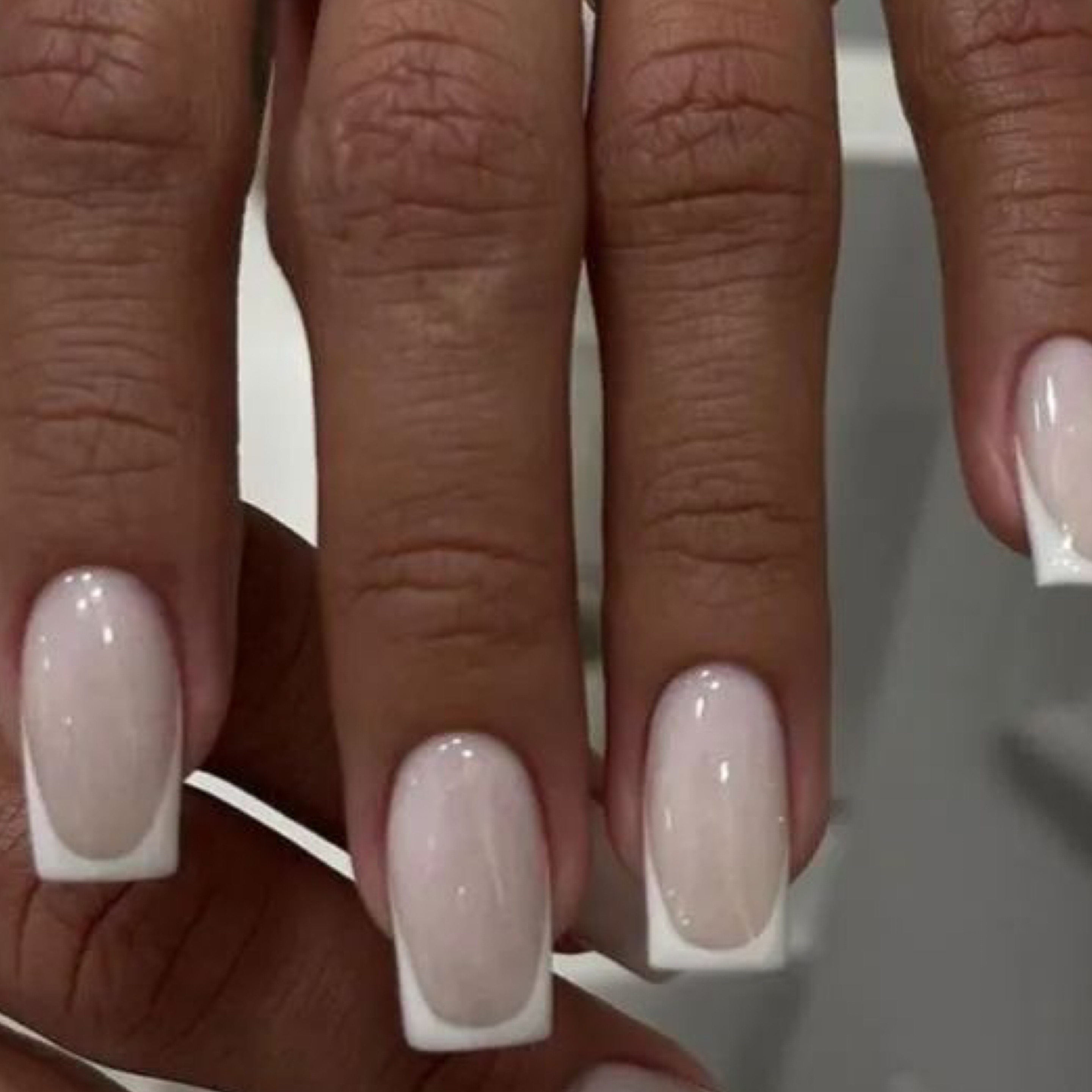
Between appointments
- Cuticle oil daily.
- Gloves for cleaning chemicals.
- Do not peel or pick gel that starts lifting — peeling takes layers of the nail plate with it. Book a removal instead.
- Watch the skin around the nail for a few days. Mild tightness is normal; increasing redness, swelling, warmth or pus is not.
When to stop and seek advice
During the appointment, stop if you feel pain, heat or a cut — say so, and the technician pauses. After the appointment, see a doctor or dermatologist rather than a salon if you notice swelling, pus, spreading redness, throbbing pain or a nail lifting from the nail bed. Those signs need medical advice, not another manicure. If you have diabetes, circulation problems or a weakened immune system, ask your doctor about manicures in general before booking any technique.
How often should you come in?
Most clients settle at every 3–4 weeks. Faster nail growth or heavy hand work shortens the cycle, and slow growers stretch to five. Your technician will suggest a rhythm after seeing how your nails and skin respond to the first appointment.
FAQ
Does a Russian manicure damage your nails?
No manicure technique is risk-free. The dry technique aims to remove only the dead cuticle layer instead of soaking and cutting, but it works close to living skin, and an e-file used with too much speed, too much pressure or the wrong bit can cause heat, cuts or thinning. Tell your technician about any nail or skin concerns beforehand, and stop the appointment if you feel pain, heat or a cut.
How long does a Russian manicure last?
Three to four weeks of a clean regrowth line for most clients, because the cuticle is cleaned precisely while dry. Nail growth and hand work change that number for you.
Is the e-file safe for thin nails?
It depends on the nail; tell your technician about thin, damaged or peeling nails before the service, and expect the buffing step to be adapted or skipped. Hard gel / BIAB can add strength, but only after your technician has looked at the nail.
How should I care for my nails after the appointment?
Cuticle oil daily, gloves for chemicals, no long hot soaks the first day, and never peel a lifting coating — book a proper removal. If the skin around a nail becomes swollen, warm or painful, seek medical advice.